On this page
The Crime and Punishment database comprises data about crimes, criminals and punishments included in the gaol files of the Court of Great Sessions in Wales from 1730 until its abolition in 1830. The Court could try all types of crimes, from petty thefts to high treason. In practice, most of the petty crimes were heard at the Courts of Quarter Sessions, whose records are held by the Welsh county record offices. Details about these records can be searched at Archives Network Wales. The records of the Court of Great Sessions do not include cases tried in Monmouthshire since that county formed part of the Oxford Assize circuit, whose records are held by the National Archives. There are, however, a number of cases of Monmouthshire interest on this database.
https://crimeandpunishment.library.wales
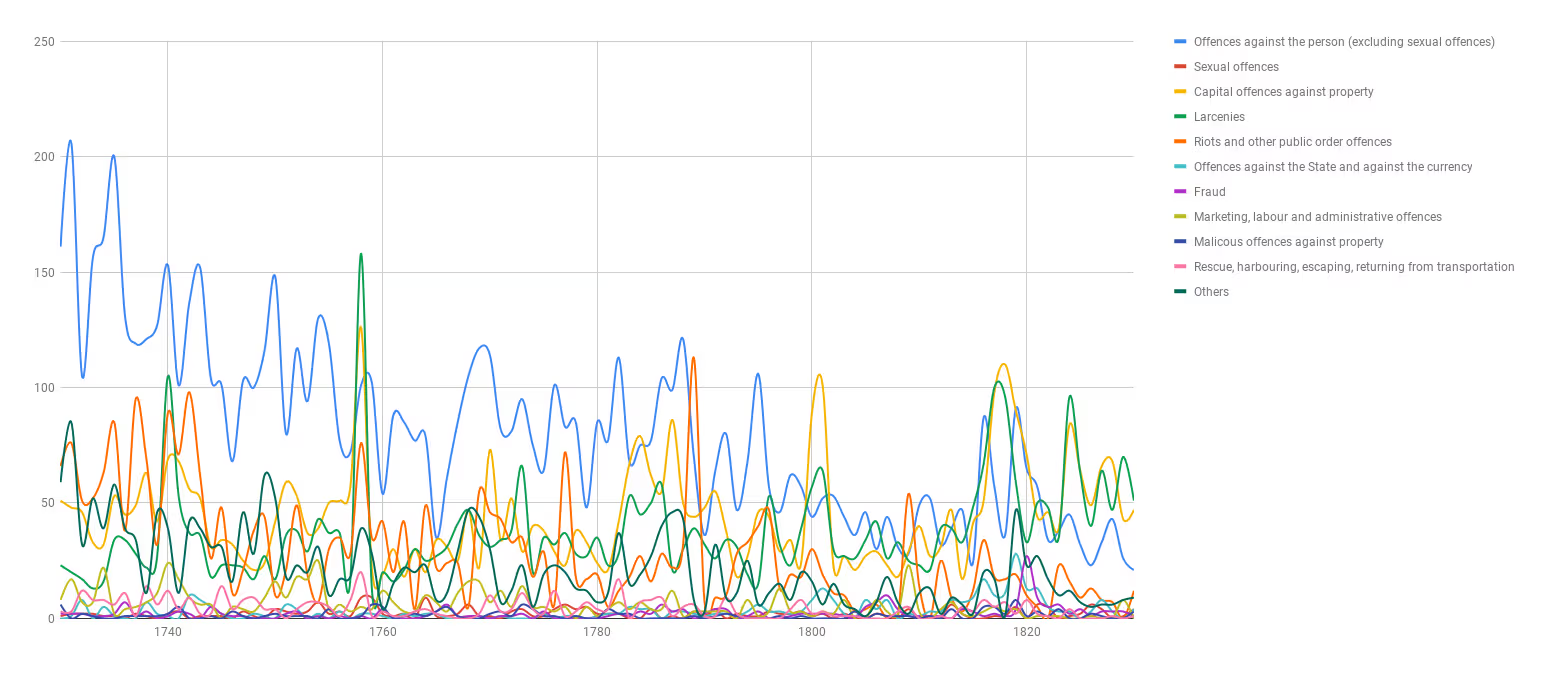
Most common crimes in communities over time
The boundaries (geoJson) in the map above were taken from statistics.data.gov.uk, a more accurate map (for the time) might have been produced from tithe maps on places.library.wales.
All crime in Wales
Fraud in Wales between 1730 and 1830
Animated heatmap of all the crimes over time can be found on Youtube.
Punishment by crime and status
The image below shows the punishment for each crime (Offences against the person) and the status of the person who committed the crime. Click on the image to see a larger version.
The punishment and status of the accused for each type of crime can be found here.
Crimes by men and women
Of the 20,953 crimes in the gaol database; 3,348 were by women and 17,605 were by men.
Most common crimes by men
- Assault (including wounding, but not malicious wounding)
- Riot and assault
- Forcible entry / ejectment and related offences
- Theft of personal goods (mainly wearing apparel, money and watches
- Murder
- Horse-stealing
- Theft of food, including harvested crops
- Burglary
- Breaking & entering
Most common crimes by women
- Theft of personal goods (mainly wearing apparel, money and watches)
- Assault (including wounding, but not malicious wounding)
- Riot and assault
- Infanticide, i.e. new born child murder (including concealing birth)
- Theft from shops / standings in markets or fairs / from hawkers
- Forcible entry / ejectment and related offences
- Theft of food, including harvested crops
- Theft of household goods / fixtures (bedding, linen, etc.)
- Burglary
- Breaking & entering
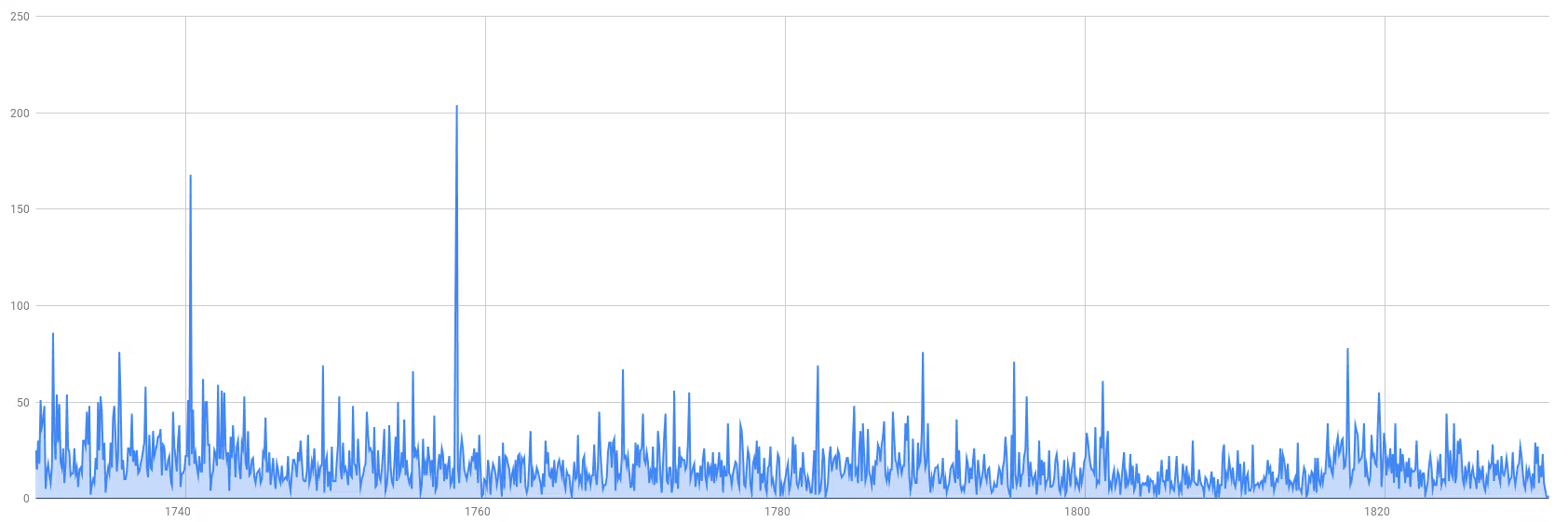
Number of crimes over time